

Q&A with Chris Walton, Sales Representative
Questions? Reach out to one of our knowledgeable insurance agents. We’re eager to set you up with the right coverage and rate!
Q&A with CIA’s Agency Manager Chris Walton
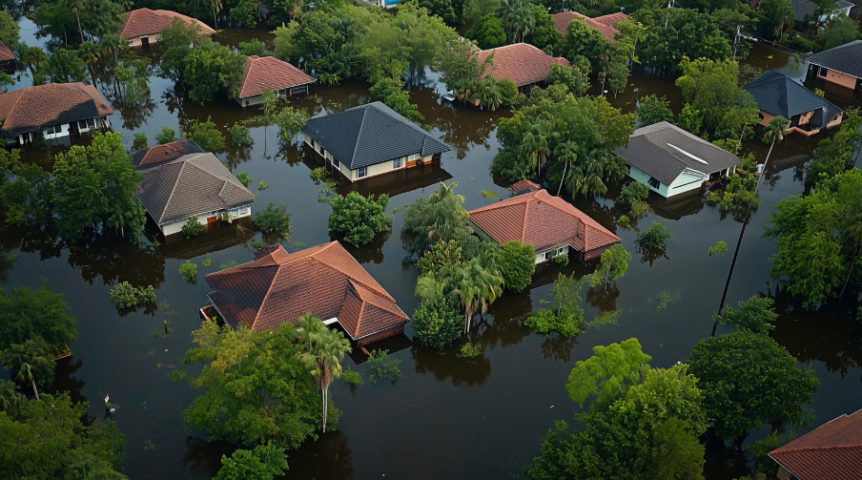
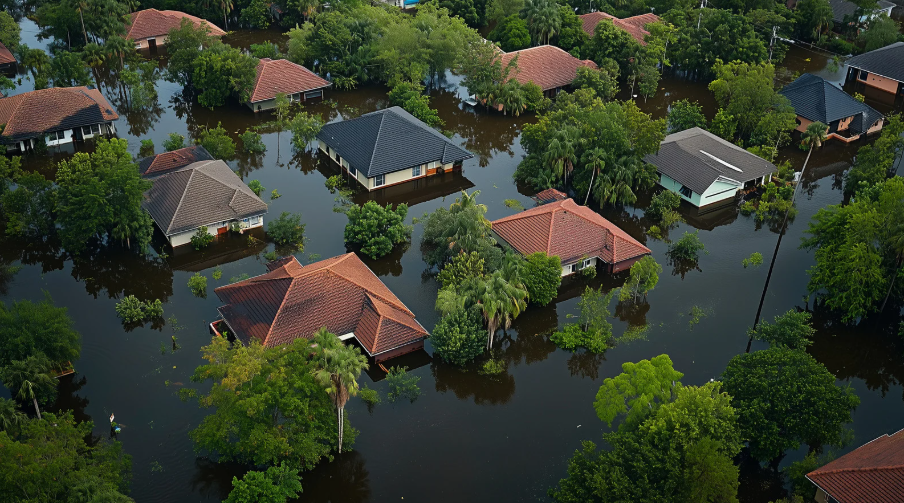
Flooding is one of the most common and costly natural disasters in the United States, yet many homeowners are surprised to learn that standard homeowner’s insurance does not cover flood damage.
To help homeowners better understand their risks and coverage options, we spoke with Chris Walton, agency manager at Cornerstone Insurance Agency LLC, about how flood insurance works, what it covers, and why more homeowners should consider it, even if they live in a low-risk flood zone.
What is flood insurance and why is it important?
Chris: Flood insurance provides financial protection against damage caused by flooding. In the insurance industry, flooding is defined as a temporary condition where two or more acres of normally dry land are inundated with water, or when water affects two or more properties.
To put that into perspective, that’s roughly the equivalent of about four residential lots in a neighborhood being flooded.
Flood insurance is important because flooding can happen almost anywhere. In fact, 40% of flood events in 2025 occurred in what’s known as an “X flood zone,” which is considered the lowest-risk flood zone.
Historically, only about 20% of flood claims came from these zones, meaning the number has doubled in recent years. Weather patterns and heavy rainfall events are becoming more unpredictable, which increases the risk even in areas traditionally considered safe.
For homeowners, the key takeaway is simple: even if you’re not in a high-risk flood zone, flooding can still happen.
Does homeowners’ insurance cover flood damage?
Chris: No. Standard homeowners’ insurance does not cover flood damage.
Flooding is defined as surface water entering your home from outside the foundation. One way to think about it is to imagine a line extending upward from the foundation of your home. Any water that crosses that line and enters the home from outside is considered flooding.
Water damage that originates inside the home, such as a burst pipe, is typically covered under a homeowner’s policy.
However, even smaller incidents can be classified as flooding. For example, if a broken sprinkler pipe floods a basement window well, breaks the window, and water enters the basement, many insurance carriers may still define that situation as a flood.
That’s why having a separate flood insurance policy can be essential.
Who needs flood insurance?
Chris: Everyone should at least consider flood insurance.
Flooding can occur anywhere, whether you live near the coast or in inland areas such as Colorado, Montana, Utah, or California. Even properties in lower-risk zones may experience flooding due to heavy rain, drainage issues, or nearby creeks.
As mentioned earlier, 40% of flood events in 2025 occurred in low-risk X flood zones, and approximately 90% of those homeowners did not have flood insurance.
That’s why it’s important to evaluate your risk and determine whether flood coverage makes sense for your home.
How much does flood insurance typically cost?
Chris: The cost of flood insurance can vary depending on several factors, including:
- Your flood zone
- Your home’s elevation
- Your proximity to bodies of water
- Your geographic location
For example:
- In lower-risk areas, such as parts of Texas in an X flood zone, flood insurance might cost around $400 to $600 per year.
- In higher-risk areas closer to the coast—such as South Houston or Galveston—premiums could range from $1,500 to $3,500 per year.
Because every property is different, the best way to determine the cost is to speak with an insurance agent and request a quote.
What does a standard flood insurance policy cover?
Chris: Flood insurance policies typically cover two main components:
Building (Structure) Coverage
This protects the physical structure of your home, including:
- Exterior and interior walls
- Flooring such as tile or carpet
- Cabinets and built-in appliances
- Electrical and plumbing systems
Flood damage often affects the lower portions of a home, such as flooring, base cabinets, and walls.
Personal Property Coverage
This covers personal belongings inside your home, including:
- Furniture
- Electronics
- Clothing
- Other personal items
For example, if floodwater damages your sofa, TV stand, or other furniture in your living room, those items would typically fall under personal property coverage.
Are there exclusions to flood insurance policies?
Chris: Yes. Like most insurance policies, flood insurance does have exclusions.
Standard flood policies typically do not cover:
- Landscaping
- Decks and patios
- Fences
- Wells or septic systems
- Swimming pools
- Vehicles
In addition, earth movement, such as mudslides or landslides, is usually not covered under a standard flood policy.
Some insurance carriers may offer endorsements or additional coverage options for certain items, such as pools or hot tubs, but these are not included in most standard policies.
How can I determine if my property is in a flood zone?
Chris: There are a few ways homeowners can determine their flood zone.
One of the easiest ways is to contact your insurance agent, who can review your property details and identify your flood zone.
Homeowners can also check through the National Flood Insurance Program (NFIP) website, which provides flood maps and zone information. However, the website can be difficult to navigate without some familiarity with flood insurance terminology.
That’s why many homeowners prefer to work directly with an agent who can help interpret information and provide guidance.
How quickly does flood insurance coverage start after purchase?
Chris: The start date of flood insurance coverage depends on the type of policy.
Policies purchased through the National Flood Insurance Program (NFIP), a government-backed program, typically have a 30-day waiting period before coverage becomes effective.
Private flood insurance carriers may offer shorter waiting periods. Depending on the carrier, coverage may begin anywhere from 5 to 30 days after the policy is issued.
Because of these waiting periods, homeowners should consider purchasing flood insurance before flood season or major storms arrive.
Can I buy flood insurance if my property has flooded before?
Chris: Yes, homeowners can still purchase flood insurance even if their property has flooded in the past.
However, it is important to disclose any previous flood history when applying for coverage. This ensures that the policy is properly underwritten and avoids potential issues with future claims.
How do I file a flood insurance claim and what is the process like?
Chris: If your home experiences flood damage, the first step is to contact your insurance carrier directly to begin the claims process. Many insurers allow claims to be filed by phone or through their website.
After that, contact your insurance agent.
Need help with flood insurance?
Having an experienced agent assist you can make the process smoother and help you focus on recovering and rebuilding.
Our team can help you determine your flood zone, explain your coverage options, and provide a personalized quote.
Contact our agents today to learn more about protecting your home with flood insurance.
This article is for informational purposes only. You should not act based on this information without first consulting with your insurance agent; if you would like a quote from a Cornerstone Insurance Agency licensed agent, contact us. We disclaim all liability for actions taken or not taken by you based on the contents of this article which is provided “as is.” Cornerstone makes no representation that this content is error-free.