
Hailstorms can happen quickly, but the damage they leave behind can be expensive. From dented gutters and damaged siding to cracked windows and roof damage, even a relatively short storm can create costly repairs.
So, does homeowners insurance cover hail damage?
Check out our guide below for proactive steps to take to protect your home.
Questions? Reach out to one of our knowledgeable insurance agents. We’re eager to set you up with the right coverage and rate!
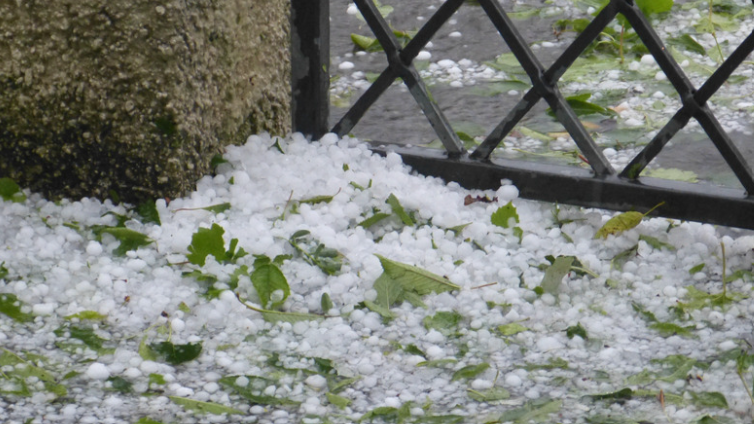
In many cases, homeowners insurance may cover damage caused by hail when it is a covered peril under the policy. However, coverage depends on the specific policy, deductible, exclusions, and circumstances surrounding the loss.
Here’s what homeowners should know.
What Can Hail Damage?
Hail can affect many parts of your home, including:
- Roof shingles
- Gutters and downspouts
- Siding
- Windows and screens
- Exterior doors
- Skylights
- Outdoor structures
- Certain personal property
Roof damage is particularly important because hail can cause damage that isn’t always immediately visible.
A roof may appear fine from the ground while still having cracked, bruised or otherwise damaged shingles.
Does Homeowners Insurance Typically Cover Hail Damage?
Many homeowners insurance policies provide coverage for certain types of hail damage because hail is commonly considered a covered peril.
However, that doesn’t mean every hail-related loss will automatically be covered.
Your policy may have specific:
- Deductibles
- Coverage limits
- Exclusions
- Conditions
- Requirements for reporting and documenting damage
In some situations, the age or condition of a roof may also affect how a claim is handled.
That’s why it’s important to review your individual policy rather than assuming all hail damage will be covered in the same way.
What About Roof Damage?
Your roof is often one of the areas most vulnerable to hail.
If a hailstorm damages your roof, your policy may provide coverage for a covered loss, subject to the terms of the policy and applicable deductible.
However, homeowners shouldn’t assume that an aging or poorly maintained roof will receive the same treatment as a newer roof damaged by a sudden storm.
If you’re concerned about your roof’s condition, regular inspections can help you identify maintenance issues before a storm occurs.
What Should You Do After a Hailstorm?
If you believe your home has been damaged by hail, take steps to document the situation.
1. Inspect your property safely
Look for visible signs of damage to your roof, gutters, siding, windows, and other exterior areas.
Don’t climb onto your roof if doing so would be unsafe. Consider having a qualified professional inspect it instead.
2. Take photos and videos
Document visible damage from multiple angles. If possible, photograph both the damage and the surrounding area.
3. Prevent additional damage
If there is an immediate risk of additional damage, take reasonable steps to protect your property when it is safe to do so.
Keep receipts for temporary repairs or other expenses related to preventing further damage.
4. Review your policy
Before assuming something is covered, review your policy or speak with your insurance professional.
5. Report the claim promptly when appropriate
If you believe you have a covered loss, contact your insurance company and follow its claims process.
Your insurer can explain the next steps and what documentation may be needed.
Don’t Wait Until a Storm to Understand Your Coverage
Hail damage is one of those situations where knowing your coverage ahead of time can make the process easier.
Take some time to review your homeowners policy and understand your deductible, coverage limits and exclusions. If your home has recently undergone renovations or you’ve made significant improvements, make sure your coverage reflects those changes.
Contact Cornerstone Insurance Agency today to explore your homeowners insurance options and get a personalized quote. Our team can help you compare coverage and find an insurance solution that fits your home, needs, and budget.
This article is for informational purposes only. You should not act based on this information without first consulting with your insurance agent; if you would like a quote from a Cornerstone Insurance Agency licensed agent, contact us. We disclaim all liability for actions taken or not taken by you based on the contents of this article which is provided “as is.” Cornerstone makes no representation that this content is error-free.