
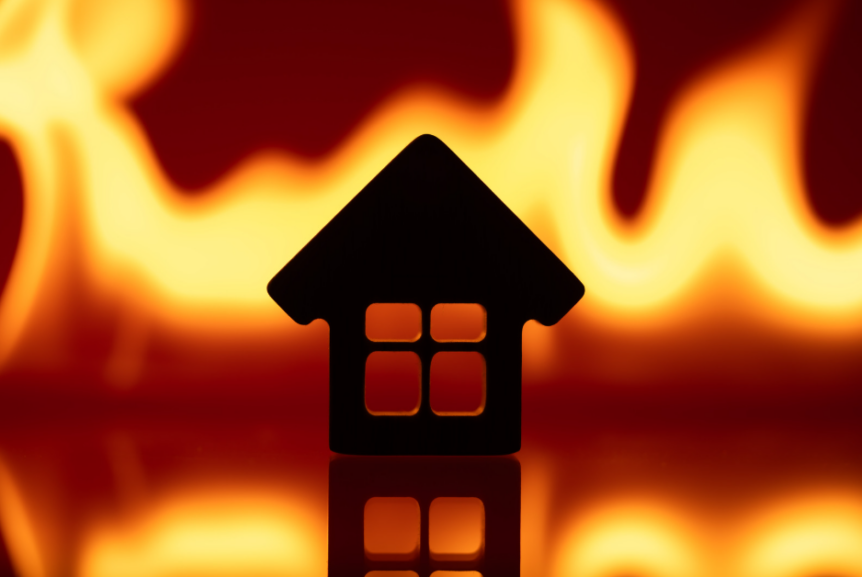
When we think about wildfires, we often picture massive flames moving through forests and wide-open land.
Check out our guide below for proactive steps to take to protect your home.
Questions? Reach out to one of our knowledgeable insurance agents. We’re eager to set you up with the right coverage and rate!
But the truth is, many fires, both wildfires and home fires, start with something small, preventable, and completely human.
A campfire that wasn’t fully extinguished.
A cigarette tossed out too quickly.
A grill left unattended on a windy day.
Fire risk isn’t just a natural disaster issue; it’s a daily behavior issue.
And the good news? That means prevention is also in our control.
What Are Wildfires (and Why They Spread So Fast)?
Wildfires are unplanned fires that burn out of control in natural areas like forests, grasslands, or prairies.
They spread quickly due to:
- Dry vegetation
- Wind conditions
- High temperatures
- Human activity (a leading cause in many cases)
They can devastate wildlife, destroy homes, and displace entire communities in hours.
1. Stay Alert Before Danger Starts
One of the most important protections is awareness.
Make sure you:
- Download the FEMA app for real-time alerts
- Sign up for local emergency notifications
- Pay attention to air quality alerts (especially during dry seasons)
- Understand Wireless Emergency Alerts (WEA) on your phone
Early alerts give you time and time to act calmly instead of reacting in panic.
2. Campfire Safety: A Leading Cause of Preventable Wildfires
Camping is a summer favorite, but also a major fire risk when done carelessly.
Follow these basics:
- Only build fires in designated fire pits
- Keep fires small and controlled
- Never leave a fire unattended
- Fully extinguish with water (not just dirt)
- Stir ashes until they are cold to the touch
Rule of thumb: if it’s too hot to touch, it’s too hot to leave.
3. Cigarette Disposal: Small Habit, Big Risk
Improperly discarded cigarettes are one of the most common causes of outdoor fires.
Always:
- Fully extinguish before disposal
- Use designated ashtrays
- Never toss cigarettes from car windows
- Avoid smoking in dry grass or wooded areas
A single ember can ignite dry vegetation in seconds.
4. Fireworks Safety: Celebrate Without Risk
Fireworks are a major summer fire trigger, not just for wildfires, but for home fires too.
If they are legal in your area:
- Use them away from dry grass, homes, and trees
- Keep water nearby (bucket or hose)
- Never relight a “dud” firework
- Always supervise children
- Avoid alcohol when handling fireworks
And if conditions are dry or windy, the safest choice is skipping them altogether.
5. Home Fire Prevention Starts Outside Your House
Many fires start just feet away from home.
Reduce risk by:
- Clearing dry leaves and debris from gutters and yards
- Keeping grills away from structures
- Storing flammable materials safely
- Creating at least a 30-foot “defensible space” around your home
Even small maintenance habits can dramatically reduce fire spread risk.
6. Indoor Fire Safety Basics
Wildfires aren’t the only concern; home fires often start inside.
Key reminders:
- Never leave cooking unattended
- Check smoke detectors regularly
- Avoid overloaded outlets
- Keep flammable items away from heat sources
Most home fires are preventable with simple awareness.
7. Prepare Before You Need It
Preparation reduces chaos during emergencies.
Make sure you:
- Keep insurance documents updated
- Store copies of IDs and important files digitally
- Prepare an emergency “go bag”
- Have evacuation routes planned
If evacuation is ever needed, decisions should already be made, not made in the moment.
8. If Smoke or Fire Is Near You
If conditions worsen:
- Stay indoors when possible
- Close windows and doors
- Use air filtration if available
- Follow official evacuation orders immediately
And if you must leave, go early, not when the roads are already crowded.
Most fires don’t start with disaster-level events.
They start with ordinary moments; moments that feel harmless until they aren’t.
Wildfire and home fire prevention isn’t about fear. It’s about awareness, habits, and small choices that protect what matters most.
Because fire safety isn’t just a seasonal concern, it’s a daily responsibility.
At Cornerstone Insurance Agency LLC, we care about your safety.
This article is for informational purposes only. You should not act based on this information without first consulting with your insurance agent; if you would like a quote from a Cornerstone Insurance Agency licensed agent, contact us. We disclaim all liability for actions taken or not taken by you based on the contents of this article which is provided “as is.” Cornerstone makes no representation that this content is error-free.